Shingles is a viral infection caused by the varicella-zoster virus, the same virus responsible for chickenpox. It leads to a painful rash and can cause complications, especially in older adults and those with weakened immune systems.
After a person recovers from chickenpox, the varicella-zoster virus remains dormant in the body. It can reactivate years later, leading to shingles. The exact cause of reactivation is not always clear, but common triggers include:
Ageing (more common in people over 50)
Weakened immune system due to illness or medications
Stress or injury
Certain medical conditions such as cancer or HIV
Symptoms of Shingles
Shingles typically starts with a tingling or burning sensation, followed by a painful rash that usually appears on one side of the body. Common symptoms include:
Pain, itching, or tingling in the affected area
A red rash that develops into fluid-filled blisters
Sensitivity to touch
Fever and headache in some cases
Fatigue
The rash usually lasts 2 to 4 weeks, and some individuals may experience long-term nerve pain (postherpetic neuralgia).
Treatment for Shingles
There is no cure for shingles, but early treatment can help reduce symptoms and prevent complications. The NHS recommends the following treatments:
Antiviral medication (e.g., aciclovir) to speed up recovery if taken within 72 hours of rash onset
Pain relief such as paracetamol or ibuprofen
Cool compresses to soothe itching and discomfort
Keeping the rash clean to prevent infection
Avoiding scratching to reduce scarring and infection risk
If symptoms are severe or complications arise, medical advice should be sought promptly. At “xyz”, antiviral medication for shingles may be available after a consultation.
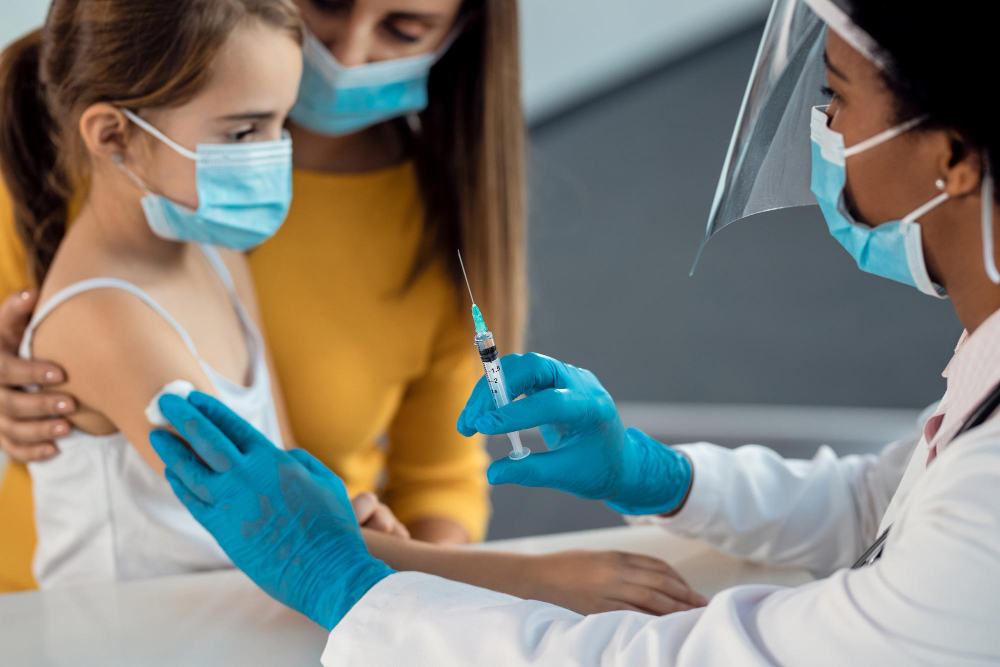
The NHS recommends the shingles vaccine for adults over 50 and those with weakened immune systems. Vaccination can reduce the risk of developing shingles or lessen its severity if contracted.
Additional preventive measures include:
Managing stress and maintaining a healthy lifestyle
Avoiding close contact with people who have chickenpox if you have never had it
When to Seek Medical Advice
See a GP if you suspect you have shingles, especially if:
The rash is near your eyes
You have a weakened immune system
The pain is severe or worsening
By following NHS guidelines and seeking early treatment, shingles can be managed effectively, reducing discomfort and complications.